“Green label” search results (300)

Flavor characteristics of Ethiopian Fine Coffee Ethiopian Coffee
Ethiopia is the hometown of Arabica coffee, and it is in the forests of Kaffa that you can see wild Arabica coffee. In Ethiopian, coffee is called Bun or Buna, and coffee beans (coffeebean) may be translated from Kaffa Bun. Arabica coffee was discovered early in the Harald area, probably from Kafa.
2016-03-18 Ethiopia boutique coffee flavor characteristics
Introduction of Sidamo coffee beans growing in Ethiopia's southernmost Ethiopian plateau
Sidamo / Solar, Natural drying or washing (Sundried or Nature Dry-Processed and Washed) grows in the southernmost Ethiopian Plateau between 4600 and 7200 feet above sea level (Sidamo Province), southeast of Jima, just south of the capital, usually sweet and more popular, its annual output is about 225000bags/60kg, the bean body is smaller and greener than Longberry.
2016-06-23 Grow in Ethiopia South Yiso Biya Plateau Dharma Coffee beans introduction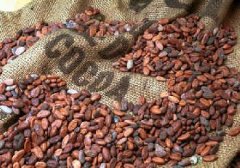
The basic knowledge of caffeine how much caffeine affects your health
Wang Hai, the first person in China to crack down on counterfeiting, took Coca-Cola to court because he did not specify the content of caffeine. Caffeine is not uncommon in our daily life. In addition to drugs, coffee, tea, many soft drinks and functional drinks contain caffeine. Experts point out that adults consuming 200 milligrams of caffeine a day can lead to caffeine dependence, especially in children who are physically developing.
2015-03-10 Caffeine basics common sense quantity influence your health caffeine labeling
Ethiopian Arabica coffee with rich body Original growing environment Fine coffee
The highest grades of washed Ethiopian coffee Yirgacheffe G1 G2 Sidamo are Grade 2 and Grade 3 (G2, G3), and the coffee processed in the sun in eastern Ethiopia is mostly Grade 4 or Grade 5 (G4, G5). In many cases, fourth-grade coffee is labeled as five-grade in order to reduce taxes. Now the classification is not very uniform, some chaos, because there are sun processing
2016-08-19 thickness richness ethiopia rabbi coffee origin flavor cultivation environment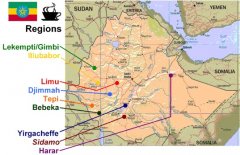
Introduction to Ethiopian Coffee, the hometown of Arabica Coffee
Ethiopia is the hometown of Arabica coffee, and it is in the forests of Kaffa that you can see wild Arabica coffee. In Ethiopian, coffee is called Bun or Buna, and coffee beans (coffeebean) may be translated from Kaffa Bun. Arabica coffee was discovered early in the Harald area, probably from Kafa.
2015-01-09 Rabbi coffee hometown Ethiopia introduction rabbi
Ethiopian Coffee Plantation Features Fine Coffee Bean Flavor Description
In December 1994, the Constitution of the Federal Democratic Republic of Ethiopia was enacted. The constitution stipulates that Ethiopia will adopt a federal system and a parliamentary cabinet system after the election, with a term of office of five years. National elections were held in May 1995. On August 22, the Federal Democratic Republic of Ethiopia was established. Meles became Prime Minister as Chairman of the Majority Party in the House of People's Representatives. On May 14, 2000, Ethiopia held a national meeting.
2016-09-24 Ethiopia Coffee Manor Region Characteristics Boutique Coffee Bean Flavor Description
Ethiopian coffee introduction Ethiopian coffee beans exquisite coffee beans and introduction
Ethiopia is the hometown of Arabica coffee, and it is in the forests of Kaffa that you can see wild Arabica coffee. In Ethiopian, coffee is called Bun or Buna, and coffee beans (coffee bean) may be translated from Kaffa Bun. Arabica coffee was discovered early in the Harald area.
2016-04-30 Ethiopia coffee introduction coffee beans exquisite
Introduction to the characteristics of the method of grinding degree treatment for Ethiopian coffee with rich alcohol thickness
Ethiopia produces between 200000 and 250000 tons of coffee each year. Today, Ethiopia has become one of the largest coffee producers in the world, ranking 14th in the world and fourth in Africa. Ethiopia has a unique flavor that is different from other flavors and provides customers all over the world with a wide range of taste choices. In the southwest of Ethiopia
2016-10-08 Thickness richness Ethiopia coffee flavor description grinding treatment characteristics
Ethiopian Coffee introduction Coffee beans Coffee processing Coffee Flavor Ethiopian Coffee details
Ethiopia is the hometown of Arabica coffee, and it is in the forests of Kaffa that you can see wild Arabica coffee. In Ethiopian, coffee is called Bun or Buna, and coffee beans (coffeebean) may be translated from Kaffa Bun. Arabica coffee was discovered early in the Harald area, probably from Kafa.
2016-03-14 Ethiopia coffee introduction coffee beans processing flavor
Ethiopian boutique coffee introduces boutique coffee beans characteristics of Ethiopian boutique coffee
Ethiopia is the hometown of Arabica coffee, and it is in the forests of Kaffa that you can see wild Arabica coffee. In Ethiopian, coffee is called Bun or Buna, and coffee beans (coffeebean) may be translated from Kaffa Bun. Arabica coffee was discovered early in the Harald area, probably from Kafa.
2016-03-18 Ethiopia boutique coffee introduction coffee beans characteristics
An introduction to the origin of coffee-- characteristics of Ethiopian coffee taste
Ethiopia is the hometown of Arabica coffee, and it is in the forests of Kaffa that you can see wild Arabica coffee. In Ethiopian, coffee is called Bun or Buna, and coffee beans (coffeebean) may be translated from Kaffa Bun. Arabica coffee was discovered early in the Harald area, probably from Kafa.
2016-03-22 Coffee origin introduction Ethiopia characteristics taste
Boutique Coffee introduces Ethiopian Coffee Yega Sheffield Coffee Sidamo Coffee Harald Coffee
Ethiopia is the hometown of Arabica coffee, and it is in the forests of Kaffa that you can see wild Arabica coffee. In Ethiopian, coffee is called Bun or Buna, and coffee beans (coffeebean) may be translated from Kaffa Bun. Arabica coffee was discovered early in the Harald area, probably from Kafa.
2016-03-25 Boutique coffee introduction Ethiopia Yega Sheffield Cedar Harald Rahl
Don't cross 300mg with caffeine every day.
Bobo, a senior dietitian who has been promoting major beverage culture and publishing books for a long time, believes that people in busy cities should adhere to the principle of moderation when enjoying coffee.
2014-05-21 Coffee knowledge coffee encyclopedia caffeine
Coffee processed by sun and water washing, and processed by different processing methods.
Ethiopia is the hometown of Arabica coffee, and it is in the forests of Kaffa that you can see wild Arabica coffee. In Ethiopian, coffee is called Bun or Buna, and coffee beans (coffeebean) may be translated from Kaffa Bun. Arabica coffee was discovered early in the Harald area, most likely
2016-05-07 Ethiopia coffee sun washing two processing different methods
Comparison of flavors between raw coffee beans and ripe beans
Sometimes, you will see a lot of marks on the coffee bean cup score table that have not been paid attention to before, such as almond pie, dried currants, green peaches or cream. So, which of these unique flavors are born with coffee beans and which are roasted? Raw coffee beans tend to have farm aromas such as grass or hay, but if stored and transported
2015-01-09 Boutique coffee beans common sense coffee raw beans cooked beans flavor contrast sometimes you
Sidamo coffee beans wash Sidamo boutique coffee beans Ethiopian plateau and other places
Ethiopia is the hometown of Arabica coffee, and it is in the forests of Kaffa that you can see wild Arabica coffee. In Ethiopian, coffee is called Bun or Buna, and coffee beans (coffeebean) may be translated from Kaffa Bun. Arabica coffee was discovered early in the Harar area and is likely to come.
2016-05-22 Xida coffee beans water washing boutique Ethiopia plateau etc.
Introduction to the flavor description characteristics of Ethiopian coffee varieties with balanced flavor
Ethiopia is the hometown of Arabica coffee, and it is in the forests of Kaffa that you can see wild Arabica coffee. In Ethiopian, coffee is called Bun or Buna, and coffee beans (coffeebean) may be translated from Kaffa Bun. Arabica coffee was discovered early in the Harar area and is likely to come.
2016-09-24 Flavor balance Ethiopia coffee variety producing area description characteristics introduction
An average of 20-30 new coffee shops in Hangzhou are expanding rapidly every year.
The coffee shop will be as busy as my grandmother's house, and it will take an hour to eat hot food. Such a scene appeared in a newly opened coffee shop in Queen's Park, Wulin Road, where the owner played waffles and was very popular with diners. Recently, Hangzhou is not the only new coffee shop. Cold smoke, Landmari, Xiao living room, tea honey and Ruijing are all literary and artistic flavors.
2014-04-27 Annual average new 20-30 Hangzhou coffee shop rapid expansion
The first coffee yarn industry alliance was established
How can we wear the coffee we drink every day? 2 billion people around the world drink coffee every day, producing as much as 40, 000 tons of coffee grounds in one day.
2014-07-11 Coffee news coffee gauze coffee industry coffee textile
Jamaican Coffee Valenford Manor introduces the flavor and taste characteristics of Jamaican coffee
By 1981, about 1500 hectares of land in Jamaica had been reclaimed for coffee cultivation, followed by investment in another 6000 hectares of coffee land. In fact, today's Blue Mountain area is a small area with a planting area of only 6000 hectares, and not all coffee marked with the words Blue Mountain can be grown there. Another 12000 hectares of land is used to grow the other two types of coffee (
2016-08-03 Jamaica coffee Warren Ford manor producing area introduction flavor taste characteristics